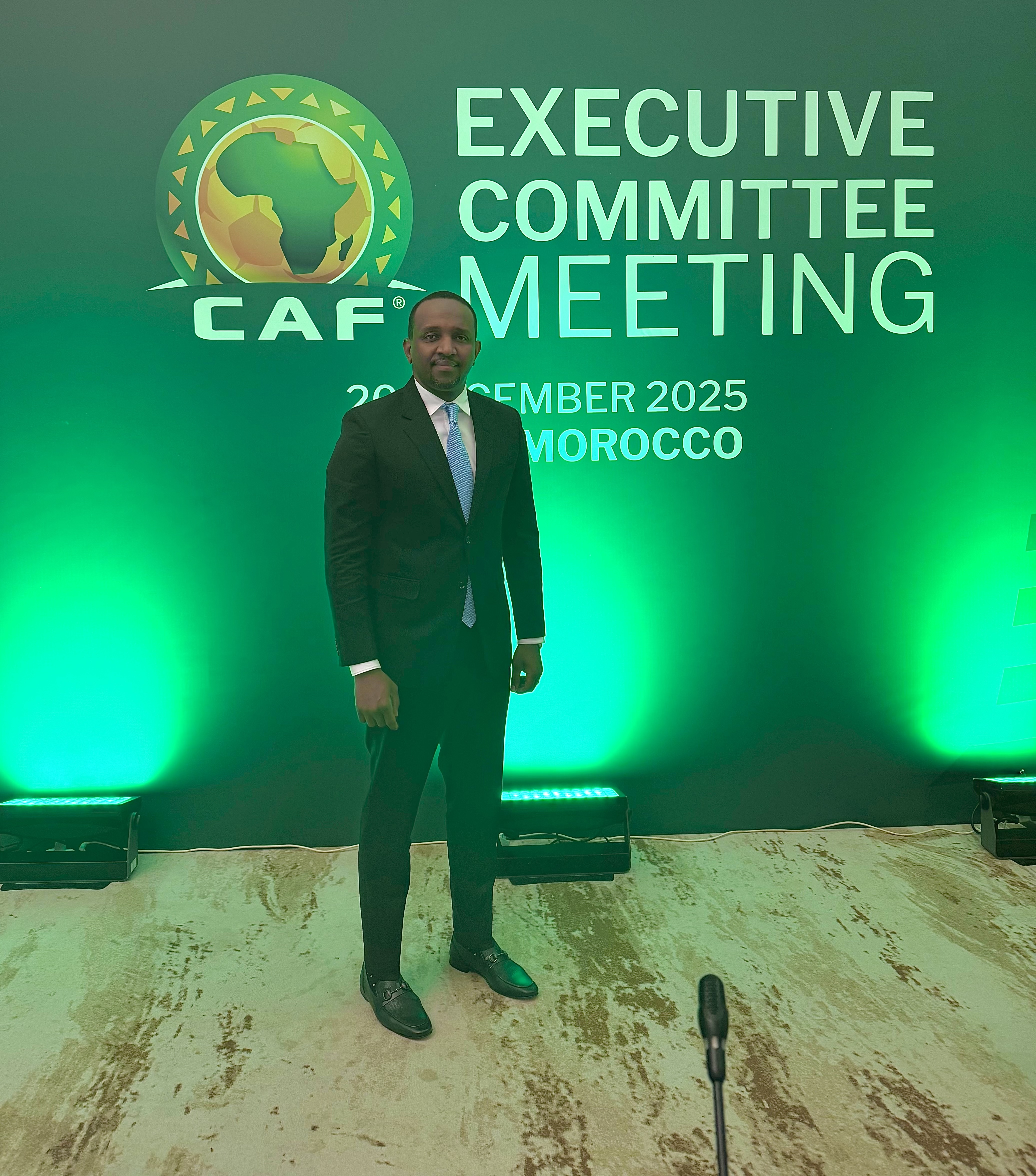
A New Era for African Football.
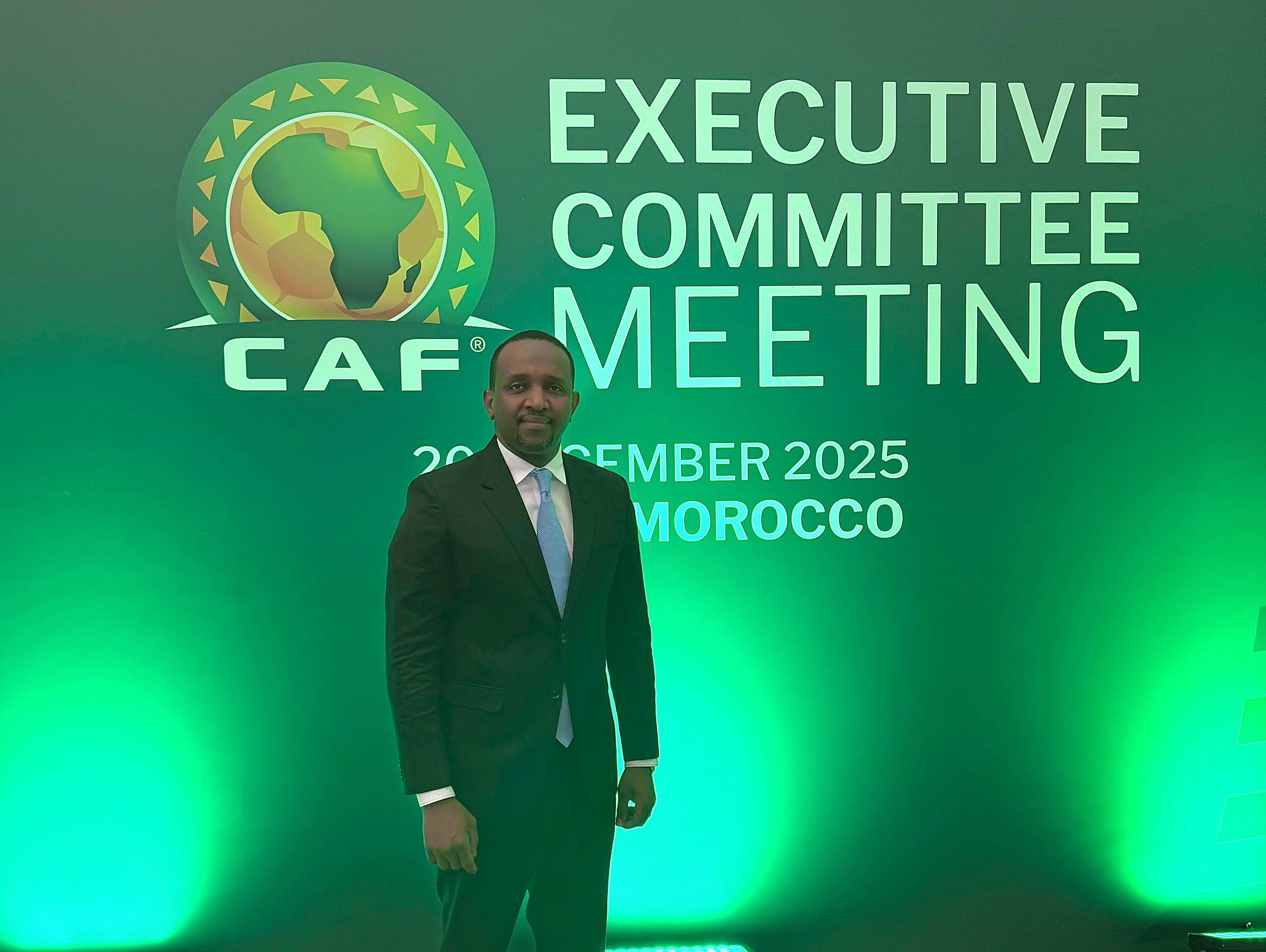
Today’s CAF Executive Committee meeting here in Rabat marked one of the most significant turning points in the history of African football.
During the session, the CAF Executive Committee collectively deliberated and agreed on major structural reforms aimed at strengthening the long-term future of the game on our continent.
Following these decisions, CAF President Dr. Patrice Motsepe today formally announced that the Africa Cup of Nations will move from a two-year cycle to a four-year cycle starting in 2028.
This decision aligns AFCON with UEFA’s European Championship, which will also be held in 2028, and places African football firmly within the global football calendar in a more strategic and sustainable way.
The 2027 AFCON, to be hosted jointly by Uganda, Kenya, and Tanzania, will proceed as planned. The following edition will be brought forward to 2028, with the next scheduled for 2032. In parallel, CAF will launch the new tournament, African Nations League in 2029, involving all 54 member associations, organized into regional zones, with games played with in September and October before the finals in November.
As President Motsepe rightly stated, AFCON has historically been the key source through which resources were generated to fund African football. Under this new model, CAF will now be able to generate resources every year, creating more consistent financial flows, better planning, and stronger investment across competitions, development programs, and member associations.
Importantly, the absence of AFCON in 2029 also avoids a clash with the expanded FIFA Club World Cup, ensuring that African players and clubs are not overstretched and that our clubs can fully benefit from global competitions.
From the perspective of club football, this reform is a game-changer.
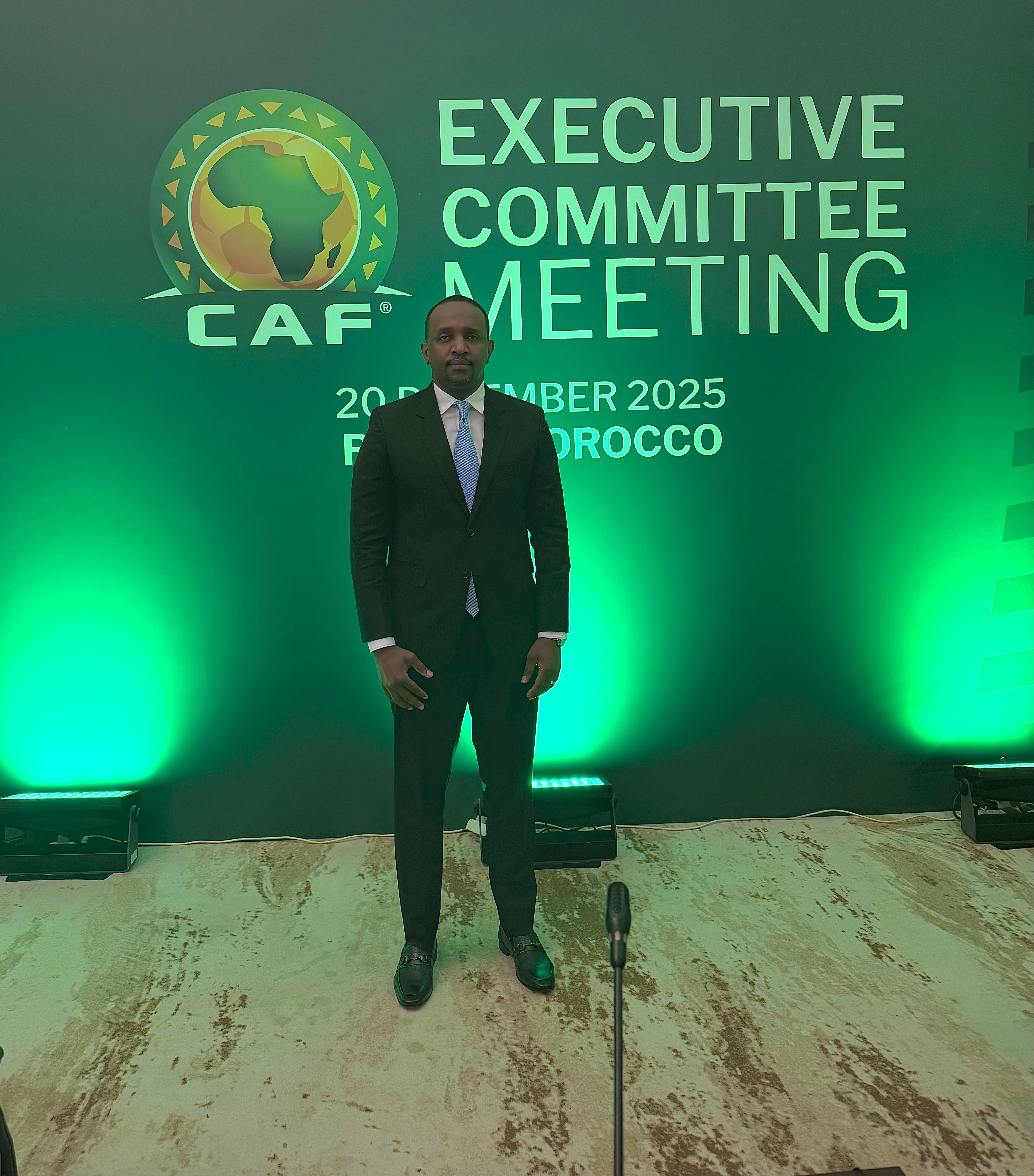
Through the African Club Association (ACA), we are working hand in hand with CAF to ensure that clubs are structurally prepared for this new era. Stronger calendars, predictable competitions, and annual revenue opportunities allow clubs to plan better, invest smarter, and professionalize faster.
The growing membership of ACA reflects this shared vision. Clubs such as Young Africans SC (Tanzania), African Stars FC (Namibia), AS Maniema Union (DR Congo), Gaborone United (Botswana), Al Hilal Omdurman (Sudan), Wydad Athletic Club (Morocco), Vipers SC (Uganda), and Kaizer Chiefs (South Africa) have already joined this movement showing a continental commitment to unity, governance, and long-term growth.
I am proud to be part of the CAF Executive Committee at a time when such bold and forward-looking decisions are being made. These reforms show that African football is actively shaping its future.
We are moving from survival-based planning to sustainable growth. With all plans aligned, we are building a football ecosystem that is modern, competitive, and respected globally.